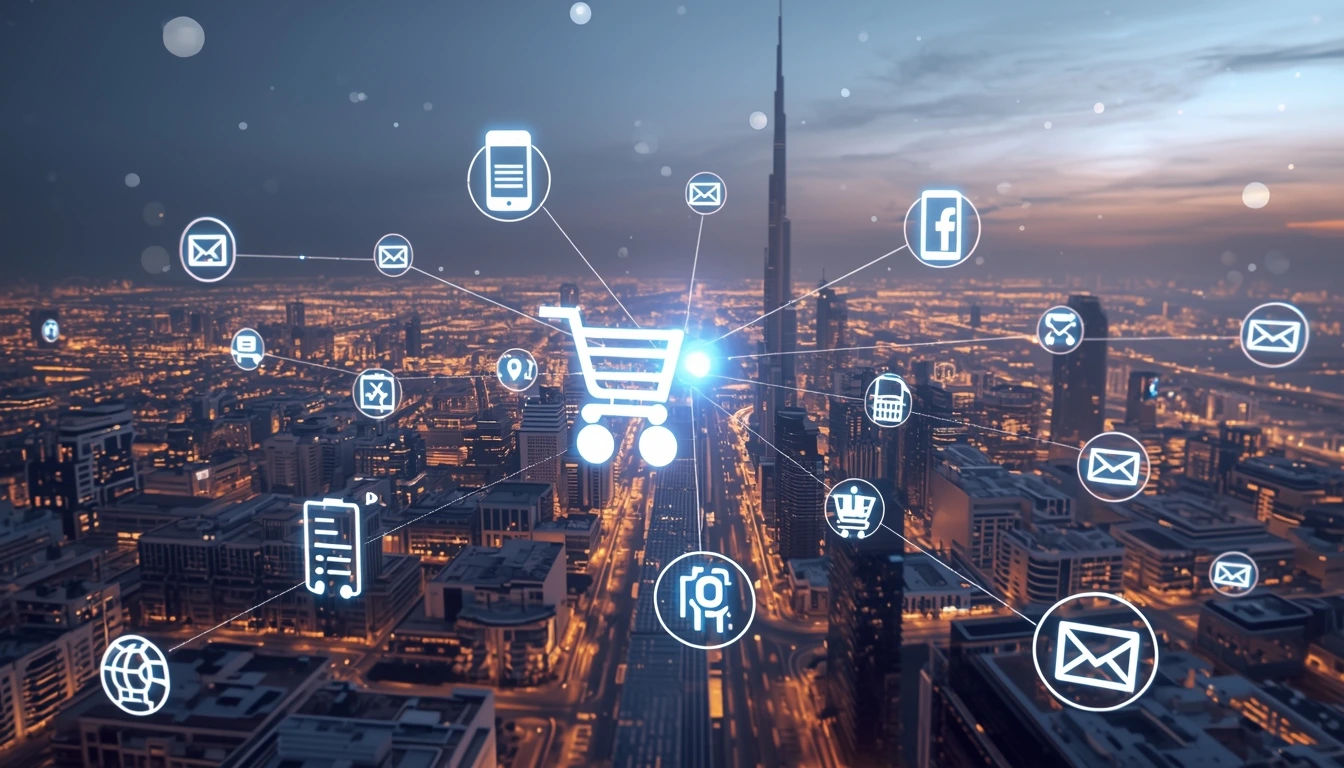
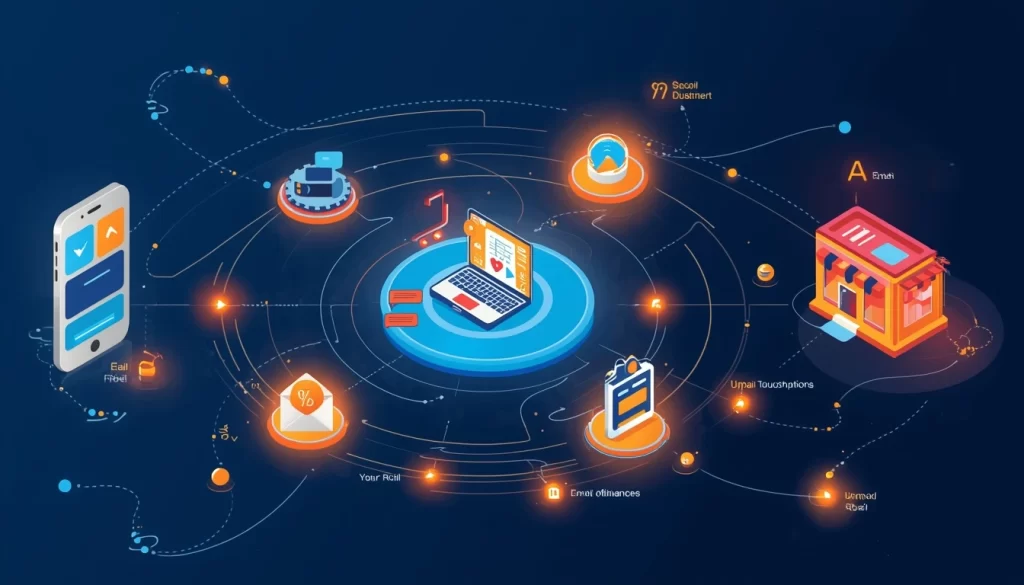
In the fast-evolving digital landscape of 2026, omnichannel marketing stands out as the gold standard for seamless customer experiences. But what is omnichannel marketing, exactly? It’s a strategy that integrates every customer touchpoint—online stores, social media, physical outlets, apps, and email—into a unified journey. Unlike multichannel approaches, omnichannel marketing ensures consistency, personalization, and frictionless transitions.
For Dubai businesses thriving in a multicultural hub like the UAE, embracing this Method isn’t optional—it’s essential. With smartphone penetration at 99% and e-commerce booming post-2025, consumers demand instant, cohesive interactions. This blog explores its core principles, benefits, and why Dubai enterprises must adopt it now to stay competitive.
Understanding Omnichannel Marketing: Beyond Multichannel
It differs from traditional multichannel tactics by prioritizing a single, customer-centric view. In multichannel setups, channels operate in silos; in contrast, data flows freely, creating a 360-degree experience.
Imagine a shopper browsing Instagram in Dubai Marina, adding items to a mobile cart, then picking up in-store at Mall of the Emirates—all with personalized recommendations intact. This is omnichannel marketing in action.
Key elements include unified data platforms such as Customer Data Platforms (CDPs), which sync customer behavior across channels. Real-time personalization powered by AI tailors messaging and boosts engagement by 30%, according to Gartner’s 2025 reports. Seamless integration ensures that interactions—from WhatsApp chats to in-app notifications—remain connected.
By 2026, with advancements in 5G and AR/VR, omnichannel marketing strategies will increasingly leverage immersive technologies such as virtual try-ons and hybrid brand experiences.
The Rise of Omnichannel Marketing in Dubai’s Digital Economy
Dubai’s Vision 2031 emphasizes smart cities and digital transformation, making omnichannel marketing a natural fit. UAE e-commerce reached AED 36 billion in 2025 and is projected to grow at 20% annually, driven by Expo 2020’s legacy and free zones like DMCC.
Leading brands such as Emaar and Chalhoub Group already excel by implementing omnichannel marketing across apps, loyalty programs, and physical retail. However, 62% of SMEs still lag behind, according to a 2025 Bayzat survey, risking customer churn to more agile competitors.
Dubai consumers—both locals and expatriates—expect hyper-personalized interactions. A Deloitte study shows that 73% abandon brands without seamless experiences, reinforcing the urgency for adoption.
Key Benefits of Omnichannel Marketing for Dubai Businesses
Adopting omnichannel marketing delivers measurable ROI for Dubai-based companies. Customer retention improves significantly when journeys feel connected, with loyalty increasing by up to 91% (Aberdeen Group, 2025). Revenue also rises, with businesses reporting 15–30% sales growth through effective cross-channel upselling.
Centralized data insights help brands identify trends such as peak TikTok engagement among UAE Gen Z audiences. Consistent messaging strengthens brand trust, and Forrester’s 2026 forecast indicates that 80% of consumers prefer brands with a strong presence.
In Dubai’s influencer-driven market, omnichannel marketing enables smooth integration between social commerce and offline activations, creating a clear competitive advantage.
Implementing an Effective Omnichannel Marketing Strategy in 2026
To build a successful framework, Dubai businesses should begin by auditing existing channels—websites, social platforms, and physical stores—to identify gaps. Investing in an integrated technology stack such as Shopify Plus, Klaviyo, and Google Analytics 4 ensures data continuity.
AI and automation tools like Adobe Experience Cloud support scalable personalization, which is essential for serving the UAE’s diverse audience. Aligning sales, marketing, and support teams ensures customer data is used consistently, while KPIs such as customer lifetime value, conversion rates, and NPS help measure performance.
For mid-sized Dubai firms, starting budgets between AED 50,000 and 100,000 can deliver quick wins when paired with local market expertise.

Challenges and Solutions
Common challenges include data privacy compliance under UAE regulations and the cost of system integration. These can be addressed through compliant consent management platforms and phased rollouts.
In Dubai’s multilingual environment, localization supported by AI ensures messaging resonates across Arabic, English, and Hindi-speaking audiences.
Why Dubai Businesses Must Prioritize Omnichannel Marketing in 2026
As 2026 unfolds with AI-driven search and immersive digital environments, connected digital experiences will define which brands lead and which fall behind. Businesses that delay risk losing relevance amid rising customer expectations and global competition.
The reward is clear: stronger loyalty, higher revenue, and a future-ready brand. Now is the time to invest in omnichannel marketing and lead Dubai’s digital future.
About MAQ
MAQ is a Dubai-based digital marketing powerhouse specializing in omnichannel marketing solutions for UAE businesses. From SEO-driven strategies to AI-powered integrations, MAQ helps startups and enterprises create seamless customer journeys and measurable growth. Contact us for a free audit.
visit: MAQ
call: +971 55 4943599